Urban Mobility: Transforming Real Estate through Innovative Transportation Solutions
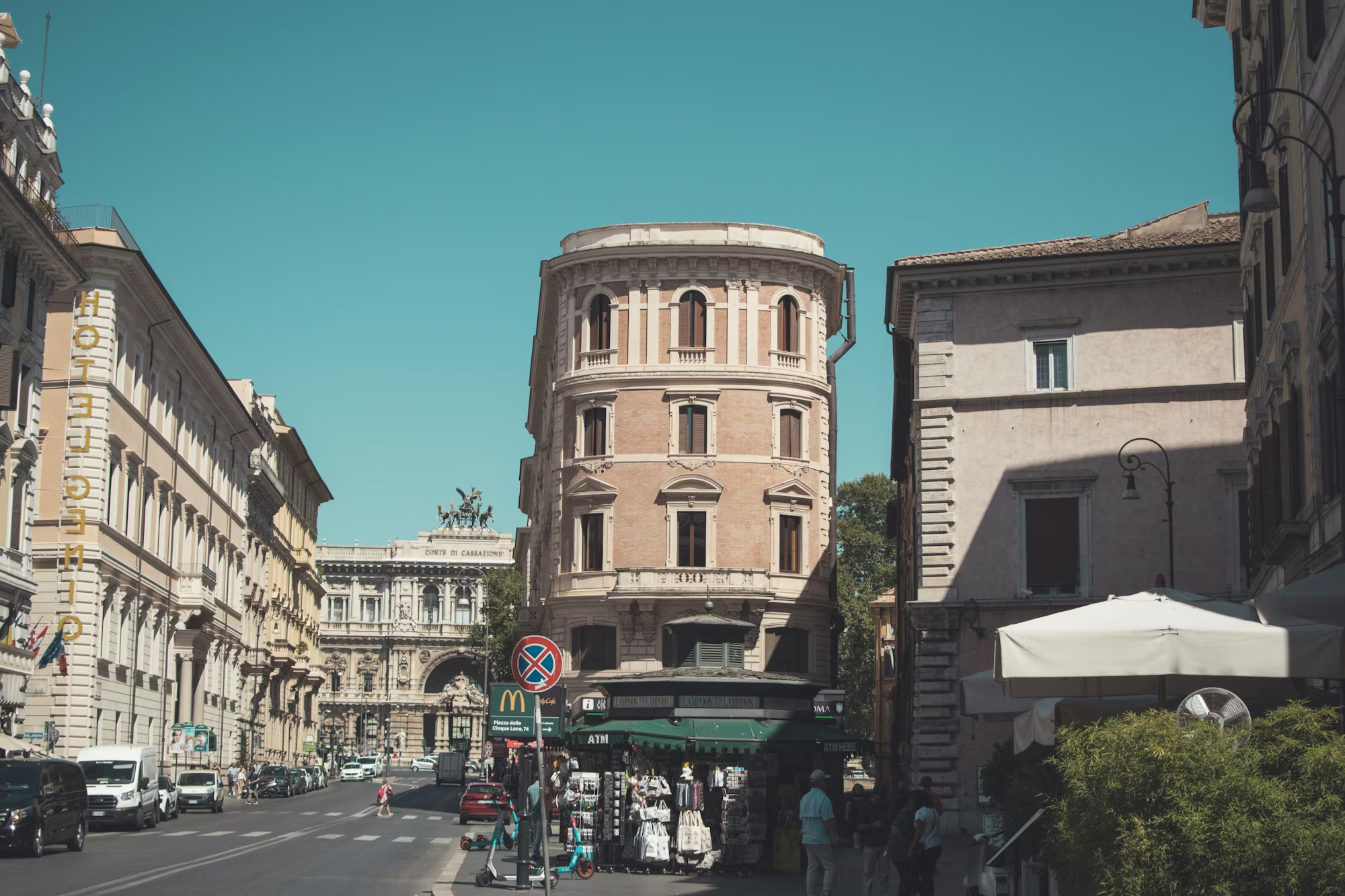
As urban areas continue to grow, the need for effective transportation solutions becomes paramount. Urban mobility plays a crucial role in shaping real estate development, influencing property values, and enhancing the overall quality of life for residents. This article delves into the various aspects of urban mobility and its profound impact on the real estate market, highlighting the trends and innovations that are transforming cities. The rise of urbanization has led to increased congestion and pressure on existing transportation systems. In response, cities around the world are adopting innovative mobility solutions to improve accessibility and reduce reliance on traditional modes of transportation. These solutions not only facilitate the movement of people but also contribute to the overall development of urban areas. One significant trend in urban mobility is the integration of public transportation systems. Cities that invest in efficient and reliable public transit options, such as buses, subways, and light rail, often experience a boost in real estate values. Properties located near transit hubs are highly sought after, as they offer residents convenient access to jobs, amenities, and services. For example, cities like Tokyo and Paris have demonstrated that well-designed public transit systems can enhance the attractiveness of neighborhoods, driving demand for housing in proximity to transit stops. Another innovative approach to urban mobility is the rise of micro-mobility solutions, such as electric scooters and bike-sharing programs. These options provide residents with flexible and environmentally friendly alternatives for short-distance travel. By integrating micro-mobility solutions into urban infrastructure, cities can reduce traffic congestion and improve air quality. Real estate developers are increasingly recognizing the value of properties that offer easy access to these mobility options, leading to a rise in developments designed with active transportation in mind. Additionally, the emergence of autonomous vehicles is set to revolutionize urban mobility. As technology advances, the potential for self-driving cars and shuttles becomes more feasible. This shift could dramatically change the way cities are designed, with implications for parking, road infrastructure, and property development. Developers may find opportunities to repurpose parking spaces for green areas or mixed-use developments, aligning with the growing demand for community-focused spaces. The concept of 15-minute cities is gaining traction as urban planners aim to create neighborhoods where residents can access essential services within a short walk or bike ride. This approach emphasizes the importance of mixed-use developments, where residential, commercial, and recreational spaces are integrated. By fostering local amenities and reducing the need for long commutes, 15-minute cities promote a sense of community and enhance overall quality of life. Real estate developers are increasingly exploring opportunities within this framework, creating vibrant neighborhoods that prioritize walkability and accessibility. The integration of smart technology into transportation systems is also reshaping urban mobility. Smart traffic management systems, real-time data sharing, and mobile apps enhance the efficiency of transportation networks. Cities that embrace these technologies can improve traffic flow and reduce travel times, making them more appealing to residents and businesses alike. Real estate developers can leverage these advancements to create properties that are in sync with the demands of modern urban living. Sustainable transportation initiatives are another key focus for many cities. As environmental awareness grows, cities are implementing measures to promote public transit, biking, and walking as primary modes of transportation. This shift not only reduces carbon emissions but also influences real estate development, as properties that align with sustainable practices become increasingly desirable. Developers are now prioritizing eco-friendly designs and amenities that support sustainable transportation options, further enhancing the appeal of their projects. Furthermore, urban mobility is closely tied to economic development. Cities that prioritize efficient transportation systems attract businesses and talent, leading to job creation and economic growth. As employment opportunities increase, the demand for housing rises, impacting real estate values. Developers who understand the interconnectedness of transportation and economic development can position themselves strategically within the market. The COVID-19 pandemic has also influenced urban mobility trends, prompting cities to rethink their transportation strategies. Remote work and changing commuting patterns have led to a shift in demand for urban and suburban properties. Developers are adapting to these changes by designing flexible spaces that accommodate remote work while still providing access to urban amenities. The emphasis on outdoor spaces and community gathering areas has become more pronounced, reflecting residents’ desire for a balanced lifestyle. In conclusion, urban mobility is a critical factor shaping the future of real estate development. From innovative public transportation systems to the rise of micro-mobility and smart technology, the ways in which people navigate cities have a profound impact on property values and community design. As cities continue to adapt to the demands of modern living, real estate developers must embrace these trends to create vibrant, accessible, and sustainable urban environments. By understanding the relationship between urban mobility and real estate, stakeholders can contribute to the development of cities that prioritize livability, connectivity, and innovation.