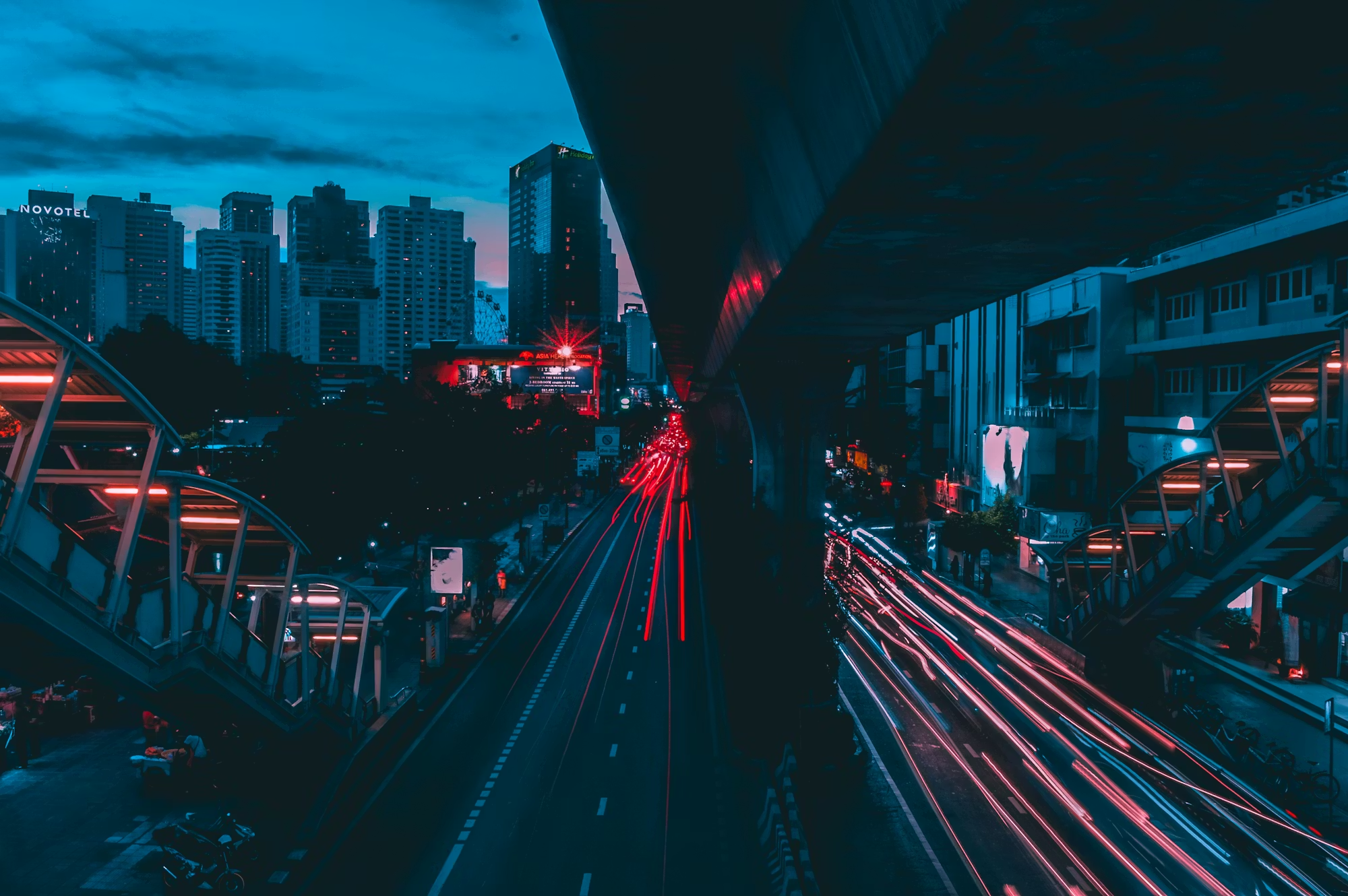
The Future of Urban Living: Trends Shaping Real Estate in Cities
As cities continue to evolve, the real estate industry must adapt to meet the changing needs and preferences of urban residents. Emerging trends are reshaping urban living, influencing everything from architectural design to community engagement. This article delves into key trends that are defining the future of urban real estate, exploring how sustainability, technology, and a focus on community are transforming cities around the world.
The Rise of Sustainable Living
Sustainability has become a central theme in urban development, driven by a growing awareness of environmental issues and the need for responsible resource management. Many cities are now prioritizing sustainable practices in their real estate developments. This shift is evident in the increasing popularity of green buildings, which are designed to minimize energy consumption and reduce environmental impact. Features such as energy-efficient appliances, solar panels, and green roofs are becoming standard in new developments.
Moreover, urban planners are reimagining city layouts to promote walkability and reduce reliance on cars. Mixed-use developments that combine residential, commercial, and recreational spaces are gaining traction, allowing residents to live, work, and play in close proximity. This not only fosters a sense of community but also encourages a more sustainable lifestyle by reducing transportation-related emissions.
Smart Technology and Urban Living
The integration of technology in urban environments is another transformative trend. Smart cities are emerging as urban areas leverage technology and data to enhance infrastructure, services, and the overall quality of life for residents. From smart traffic systems that optimize congestion to energy management solutions that reduce consumption, technology is playing a pivotal role in modern urban planning.
Real estate developers are increasingly incorporating smart technology into residential and commercial properties. Features such as smart thermostats, automated lighting, and advanced security systems are appealing to tech-savvy buyers and renters. Additionally, the use of mobile apps for managing building amenities and services is becoming commonplace, allowing residents to easily access information and connect with their communities.
A Shift Towards Community-Centric Design
As urban residents seek a greater sense of belonging and connection, community-centric design is gaining importance in real estate development. Developers are recognizing the value of creating spaces that foster interaction and engagement among residents. This shift is reflected in the design of public spaces, parks, and community centers that encourage socialization and collaboration.
Incorporating elements such as communal gardens, rooftop terraces, and open-air gathering spaces can enhance the sense of community within residential developments. Moreover, many cities are prioritizing the creation of inclusive environments that cater to diverse populations, ensuring that all residents feel welcome and valued.
The Role of Mixed-Use Developments
Mixed-use developments are becoming a cornerstone of urban planning, offering a holistic approach to city living. These projects blend residential, commercial, and recreational spaces, creating vibrant neighborhoods where residents can access essential services and amenities without needing to travel far. The appeal of mixed-use developments lies in their ability to provide convenience while promoting a sense of community.
In many cities, zoning regulations are evolving to support mixed-use projects, enabling developers to create innovative spaces that meet the needs of modern urban dwellers. By integrating various functions within a single development, these projects not only enhance property values but also contribute to a more dynamic urban experience.
The Impact of Remote Work on Real Estate
The rise of remote work has also influenced the real estate landscape. As more people embrace flexible work arrangements, the demand for home office spaces and larger living areas has increased. This trend has prompted developers to rethink the layout of residential properties, focusing on creating multifunctional spaces that can accommodate both work and leisure.
Additionally, suburban areas are experiencing a resurgence in popularity as remote workers seek more space and a quieter lifestyle. This shift has led to increased demand for homes in these areas, driving up property values and prompting developers to invest in suburban developments that offer modern amenities and easy access to urban centers.
The Importance of Affordability
Affordability remains a critical issue in urban real estate. As cities experience population growth and housing demand increases, the challenge of providing affordable housing solutions becomes more pressing. Developers are exploring various strategies to address this issue, including the construction of affordable housing units and the incorporation of income-restricted housing within larger developments.
In some cities, public-private partnerships are emerging as a viable solution to create affordable housing options. By collaborating with local governments, developers can access funding and resources to support the construction of affordable units, ensuring that diverse populations have access to quality housing.
The Future of Urban Transportation
Transportation is a key factor in urban living, and cities are rethinking their transportation infrastructure to promote sustainability and accessibility. The rise of public transit systems, bike-sharing programs, and pedestrian-friendly initiatives is reshaping how residents navigate urban environments. Developers are taking these changes into account when planning new projects, considering proximity to transit hubs and walkability in their designs.
As cities prioritize investments in sustainable transportation options, the demand for properties located near public transit is likely to increase. This trend presents an opportunity for developers to create transit-oriented developments that capitalize on the growing emphasis on accessibility and sustainability.
Conclusion
The future of urban living is being shaped by a combination of sustainability, technology, community-centric design, and evolving work patterns. As cities adapt to meet the changing needs of their residents, the real estate industry must remain agile, embracing innovative approaches that enhance the quality of life for urban dwellers. By prioritizing sustainable practices, integrating smart technology, and fostering a sense of community, developers can create vibrant, inclusive urban environments that stand the test of time. The path forward is not only about building structures but about creating spaces where people can thrive, connect, and call home.