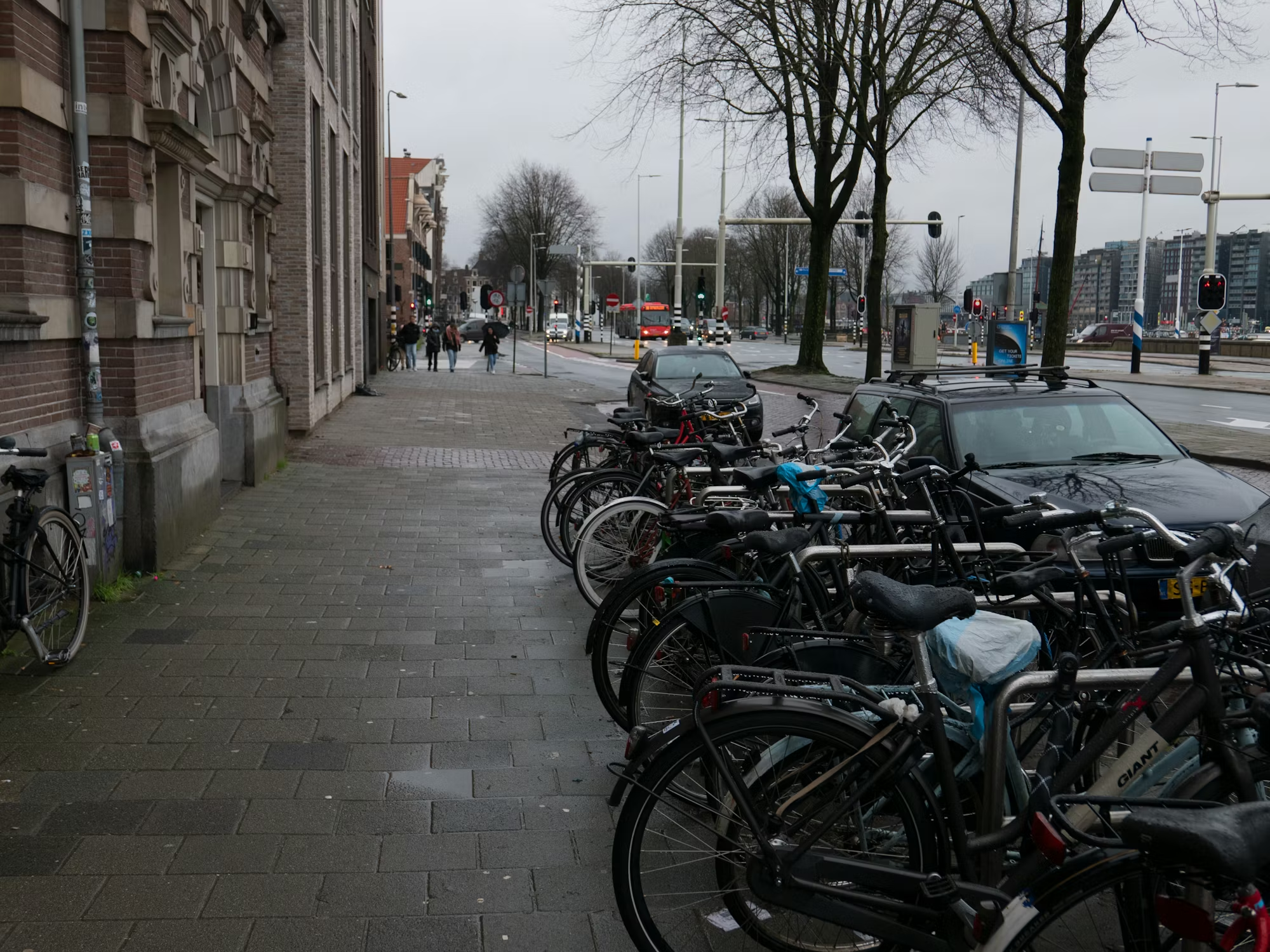
The Future of Urban Living: Trends Shaping Real Estate in 21st Century Cities
As we move further into the 21st century, cities around the globe are undergoing transformative changes that significantly impact urban living. The real estate market is evolving alongside these trends, shaped by shifts in demographics, technology, and cultural values. This article delves into the key trends shaping the future of urban living and their implications for the real estate industry.
One of the most prominent trends is the increasing emphasis on sustainability. Urban areas are becoming more aware of their environmental impact, leading to a demand for green building practices and eco-friendly developments. Developers are now prioritizing sustainable materials, energy-efficient designs, and renewable energy sources in their projects. This focus on sustainability not only appeals to environmentally conscious buyers but also aligns with government regulations aimed at reducing carbon footprints. As a result, properties that incorporate sustainable features tend to have higher market values and attract a wider audience.
In addition to sustainability, technological advancements are reshaping urban living. The rise of smart technologies is influencing everything from home automation to urban infrastructure. Smart homes equipped with IoT devices offer residents enhanced convenience and energy efficiency. Similarly, cities are implementing smart infrastructure solutions, such as intelligent traffic management systems and waste management technologies, to improve the quality of urban life.
These technological innovations also present opportunities for real estate developers. Properties in tech-savvy neighborhoods tend to command higher prices, and developments that incorporate smart features are becoming increasingly desirable. As urban residents seek integrated living experiences, the demand for mixed-use developments—combining residential, commercial, and recreational spaces—continues to rise. This trend encourages community engagement, as residents can live, work, and play in close proximity, fostering a sense of belonging and enhancing overall quality of life.
Moreover, the ongoing shift towards remote work is reshaping residential preferences. The COVID-19 pandemic has accelerated the adoption of remote work, prompting individuals to reconsider their living arrangements. Many are now seeking larger homes in suburban or rural areas, where they can enjoy more space and access to nature. This shift has implications for the real estate market, as developers respond by creating family-oriented communities that offer ample amenities and green spaces.
As urban centers become less densely populated due to remote work trends, city planners are reimagining public spaces. There is a growing movement toward creating pedestrian-friendly environments that prioritize walkability and accessibility. Parks, open spaces, and pedestrian pathways are being integrated into urban planning, encouraging outdoor activities and enhancing residents’ well-being. Real estate developers are increasingly aligning their projects with these urban design principles, recognizing that properties situated near green spaces are more attractive to potential buyers.
Another significant trend is the focus on affordable housing. As cities become more desirable places to live, housing prices are often driven up, making it challenging for many individuals and families to find affordable options. Policymakers and developers are responding by prioritizing affordable housing initiatives, recognizing that inclusive urban environments contribute to social equity and community stability. Collaborative efforts between the public and private sectors are essential to creating affordable housing solutions that meet the needs of diverse populations.
In the context of urban living, community engagement is increasingly recognized as a crucial element in real estate development. Modern residents are seeking more than just a place to live; they want to feel connected to their communities. Developers who actively engage with local stakeholders and prioritize community needs in their projects are more likely to succeed in today’s market. This approach fosters trust and collaboration, resulting in developments that reflect the values and aspirations of residents.
Additionally, the trend towards mixed-use developments supports community engagement. These projects combine residential, commercial, and recreational spaces, creating vibrant neighborhoods where residents can interact and participate in local activities. By designing spaces that promote social interaction, developers contribute to a sense of community and belonging.
As cities continue to evolve, the importance of cultural diversity and inclusivity cannot be overstated. Urban areas are becoming increasingly multicultural, with diverse populations contributing to the rich tapestry of city life. Real estate developers are recognizing the value of creating inclusive spaces that cater to various cultural backgrounds and lifestyles. By embracing diversity, developers can enhance the appeal of their properties and foster environments where all residents feel welcome and valued.
Looking ahead, the role of technology in urban living is expected to expand further. The emergence of smart cities—urban areas that utilize data and technology to enhance efficiency and quality of life—will redefine how residents interact with their environments. Real estate developers will need to adapt to these changes by incorporating technology into their projects and staying ahead of evolving trends. Collaboration with tech companies and urban planners will be essential to create integrated solutions that enhance urban living.
Moreover, as climate change continues to pose significant challenges, cities will need to prioritize resilience in their development plans. This includes investing in infrastructure that can withstand extreme weather events and adapting urban spaces to promote sustainability. Real estate developers who prioritize resilience in their projects will not only meet regulatory requirements but also appeal to environmentally conscious buyers.
The future of urban living is undoubtedly exciting, marked by the convergence of sustainability, technology, and community engagement. As cities adapt to these changing dynamics, the real estate industry will play a pivotal role in shaping urban environments that prioritize quality of life and inclusivity. Investors and developers who recognize and embrace these trends will be well-positioned to thrive in the evolving landscape of urban living.
In conclusion, the trends shaping urban living in the 21st century present both opportunities and challenges for the real estate industry. Sustainability, technology, community engagement, and inclusivity are becoming essential pillars of successful urban development. By understanding and responding to these trends, real estate professionals can contribute to creating vibrant, resilient cities that enhance the quality of life for all residents.